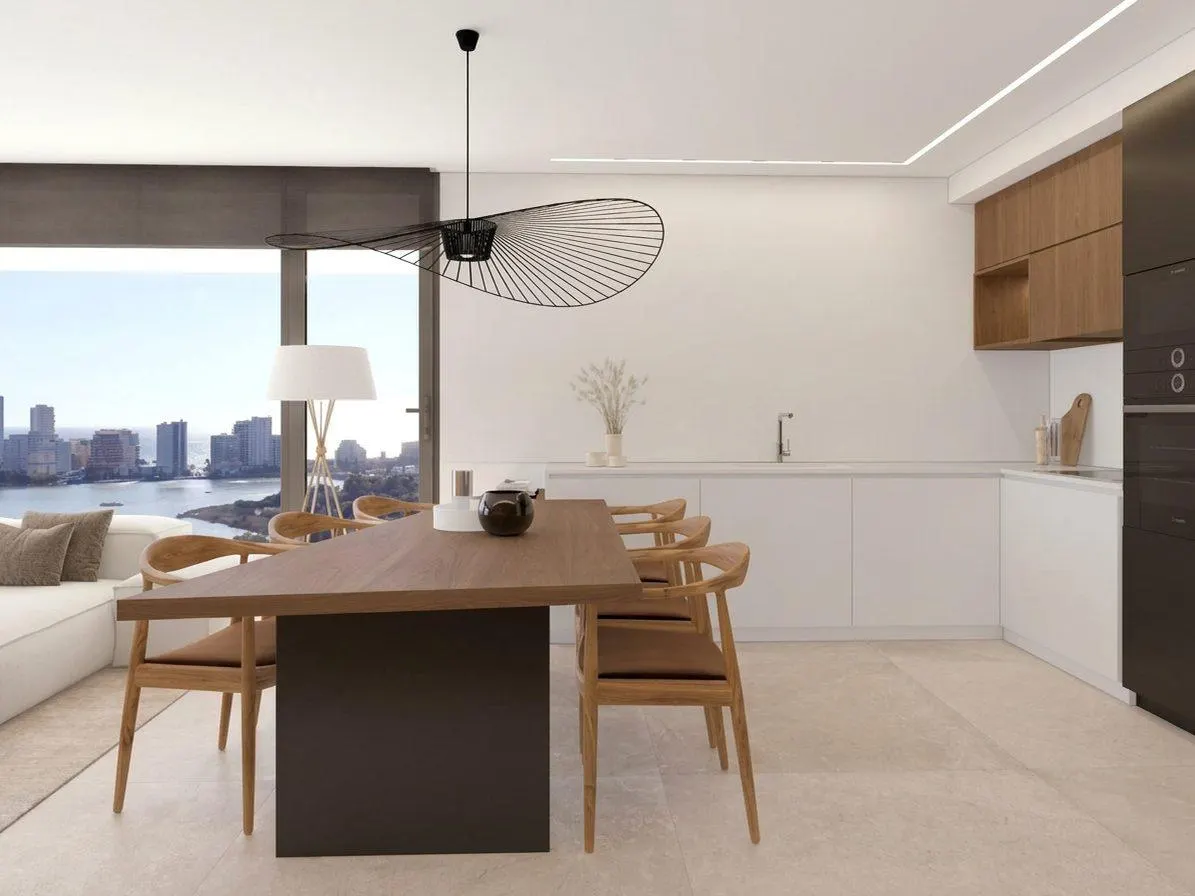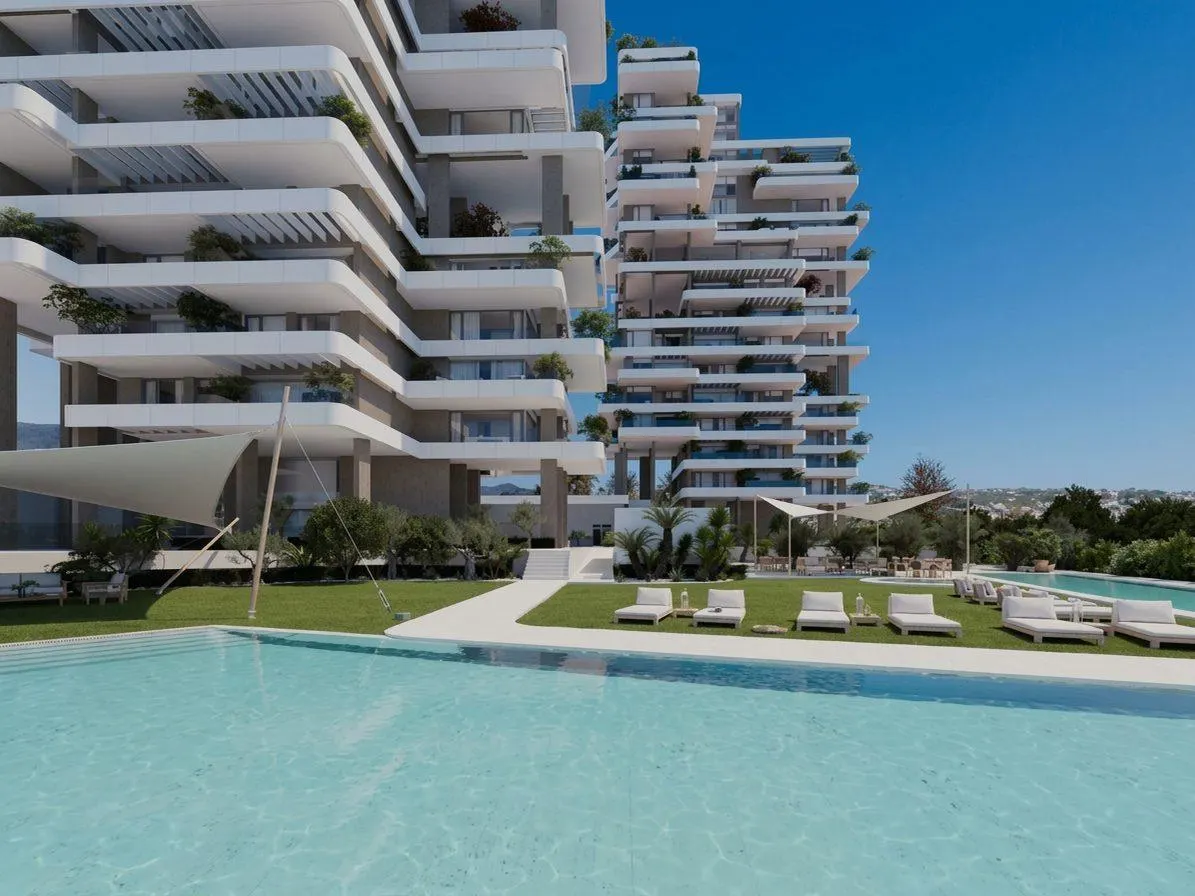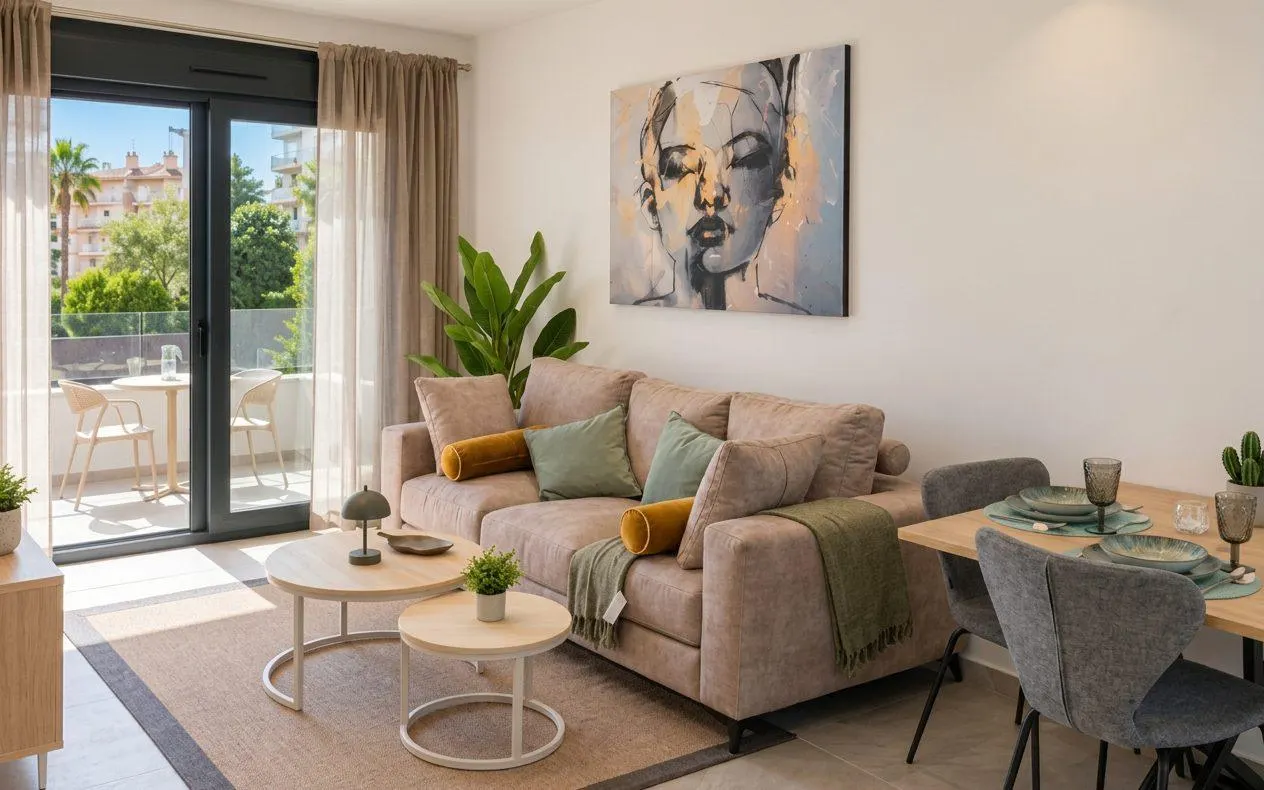

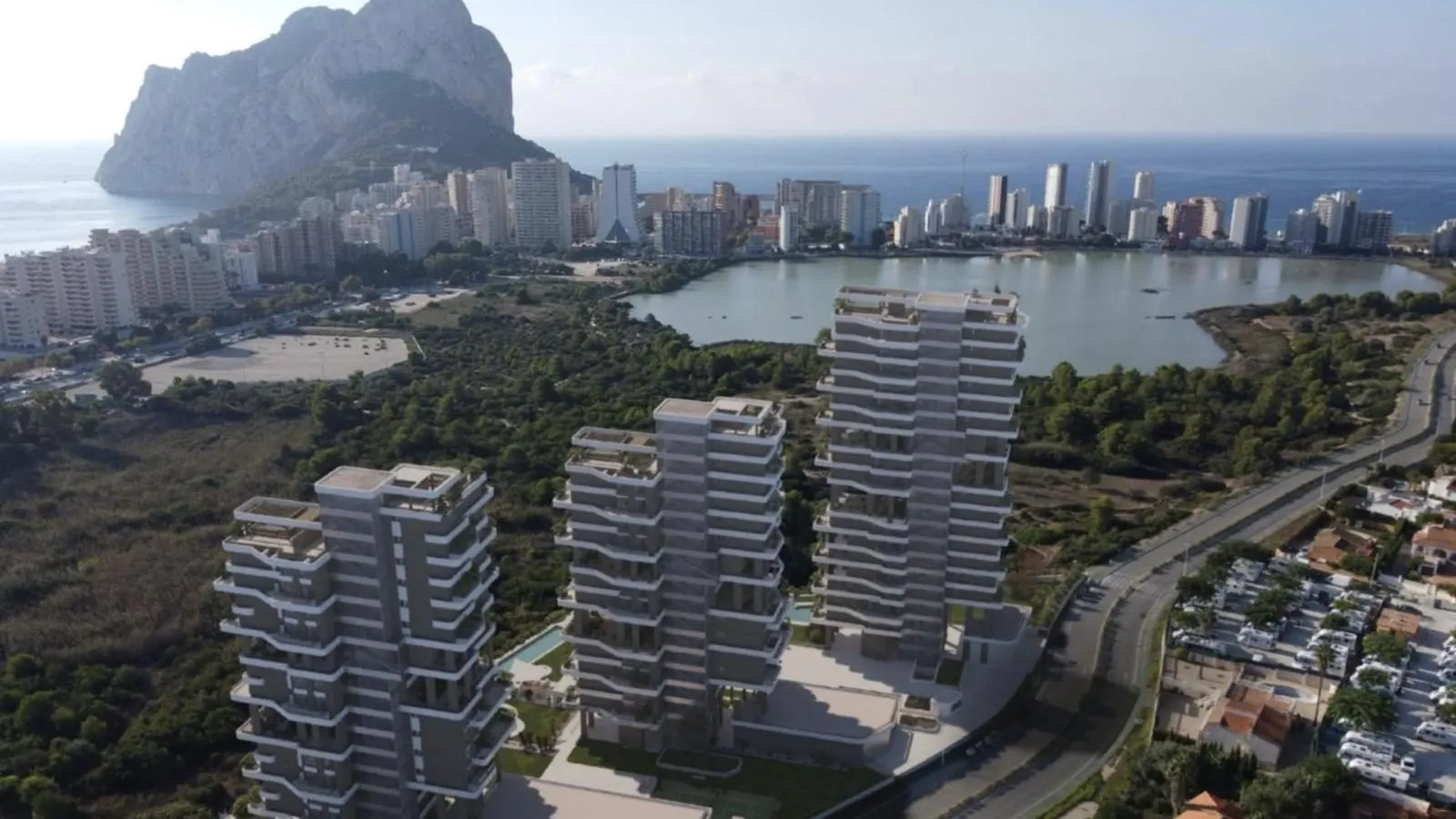
Bungalow, townhouse, quad, semi, penthouse, ground floor… On the Spanish coast, these words don’t mean what they do at home, and confusion is the number one cause of disappointing viewings. For example, a "bungalow" on the Costa Blanca isn’t a detached house. This guide explains each property type, what it costs to maintain, and who it suits.
In short
- A bungalow is a home within a low-rise development: ground floor with a garden, or top floor with a solarium. It’s not a detached house.
- Apartments and bungalows are the easiest to maintain and rent out.
- Townhouses, quads and semis offer more space and a private garden, plus a shared pool.
- A villa with a private pool costs several thousand euros more per year to maintain.
What each term means
| Type | What it is | Typical features |
|---|---|---|
| Apartment (piso) | Flat in a building, any floor | Terrace, communal areas, often a shared pool and garage |
| Ground floor | Apartment on the building’s ground floor | Private garden or terrace at street level |
| Penthouse (ático) | Top floor of the building | Large terrace or solarium, best views; usually the most expensive per m² |
| Duplex | Two-storey property within a building | Living area below, bedrooms above |
| Ground floor bungalow | Home on the ground floor of a low-rise development | Own entrance and small garden |
| Top floor bungalow | Upper home in the same development | Solarium on the roof instead of a garden, access via private or shared stairs |
| Townhouse (adosado) | Terraced house, two or three storeys, shares side walls | Small garden, often parking and communal pool |
| Quad (quadruplex) | Four homes joined in a block, each on a corner | Private garden on two sides |
| Semi (pareado) | Two houses sharing one wall | Own plot, sometimes space for a private pool |
| Villa (chalet) | Detached house on its own plot | Own land, usually a private pool |
| Finca | House on rural land | Land, with much stricter planning rules |
It’s worth repeating about bungalows: a ground floor and a top floor can be in the same building. One has a garden, the other a solarium, both share the development’s pool and both pay community fees. Neither is a detached house.
What it costs to maintain each type
| Apartment or bungalow | Townhouse, quad or semi | Villa | |
|---|---|---|---|
| Community fees | €600–1,400 per year | €800–1,800 per year | €0–1,200 (if in a development) |
| Pool | Communal, included | Communal, included (or private for some semis) | Private: €1,200–2,500 per year |
| Garden | Communal or small private | Small private | Private: €1,000–3,000 per year |
| Insurance | Contents + community insurance | Usually own policy | Own policy, more expensive |
A villa with its own pool and garden can cost €3,000–6,000 more per year than an apartment of similar value. If you only visit for three weeks a year, that’s fifty weeks paying for a pool no one uses. See the full breakdown in the annual cost of owning a property in Spain.
What living in each is like
Apartment or bungalow. Lock up and leave. The community handles the pool, gardens and exterior. A ground floor bungalow with a garden is the closest thing to a house with apartment-level costs, making it one of the most sought-after options in the southern Costa Blanca. The trade-off: neighbours and community meetings.
Penthouse. Light, views, and a terrace that becomes your living room from April to October. In new builds, many penthouses have a private solarium with space for a jacuzzi.
Townhouse, quad or semi. More space, your own front door, often a garage, and a communal pool just steps away. This is the middle ground and the top choice for families.
Villa. Privacy, your own plot, private pool and total control. But also a gardener, pool maintenance, your own insurance, and a house that deteriorates if left empty. Ideal if you’ll live there or hire someone to look after it.
If you plan to rent it out
- Apartments and bungalows are easiest to rent in tourist areas, have higher turnover, and cost less to clean and prepare.
- In a building or development, holiday lets must be allowed by the community statutes or approved by three-fifths of owners from April 2025.
- A detached villa isn’t subject to a community, but must still comply with local council rules and the regional holiday rental register.
Before you reserve, we check if the development allows your intended use. More details in holiday lets: what to check before buying.
Where to find each type
| Type | Where most new builds are | From |
|---|---|---|
| Apartments, ground floors and penthouses | Torrevieja, Orihuela Costa, Guardamar, Calpe, Benidorm, Mar Menor, Vera | €82,000 |
| Houses, townhouses and quads | Vega Baja developments, Los Alcázares, Pilar de la Horadada, Finestrat | €175,000 |
| Villas | Jávea, Polop, Finestrat, Orihuela Costa, Rojales | €459,000 |
| Penthouses with sea views | Calpe, Villajoyosa, Benidorm, Torrevieja | Varies by development |
As a rule, the further north on the Costa Blanca, the more villas and higher land prices; further south, more apartments and bungalows at lower prices. See a breakdown by area in Costa Blanca North and Costa Blanca South.
Which one suits you?
- Apartment or bungalow: you visit several times a year, want the lowest running costs and the freedom to lock up and leave. Choose ground floor for a garden; top floor or penthouse for sun and views.
- Townhouse or quad: you need three bedrooms and a garden but don’t want villa-level costs, and you’re happy to share a pool.
- Villa: you’ll spend a lot of time here or pay someone to look after it, and privacy is your main reason for buying.
- Thinking ahead: if you plan to retire here, prioritise ground floor or lift access and homes without internal stairs.
What to check for each type
- In any development: community fees, what’s included, and the statutes.
- In a bungalow: if it’s ground or top floor, whether the entrance is private, and what size garden or solarium is recorded in the deeds.
- In a townhouse or quad: which walls are shared and what the community maintains.
- In a villa: plot boundaries, pool licence and any extensions.
- For all: that the built and usable area in the deeds matches what’s advertised.
Want to see real examples of each type? Explore over 1000 new build developments or ask an advisor for a shortlist based on how you’ll use the property.
Want to crunch the numbers on a specific property? A Homiia advisor will reply in your language within 24 hours, with no obligation and no commission.
Speak to an advisor · Download the free guide
Frequently asked questions
What is a bungalow on the Costa Blanca?
It’s a home within a low-rise development: ground floor with private entrance and garden, or top floor with a solarium. It’s not a detached house.
What is a quad?
A block of four homes joined together, each on a corner, with a private garden on two sides and usually a communal pool.
How much more does it cost to maintain a villa than an apartment?
With its own pool and garden, a villa can cost €3,000–6,000 more per year than an apartment of similar value.
Which property type is best for renting out?
Apartments and bungalows are easiest to rent and cheapest to prepare. In buildings, holiday lets must be allowed by the community statutes.
Sources and references
For information only: not legal or tax advice, or a guarantee of returns. Confirm the terms of your transaction with an independent professional.