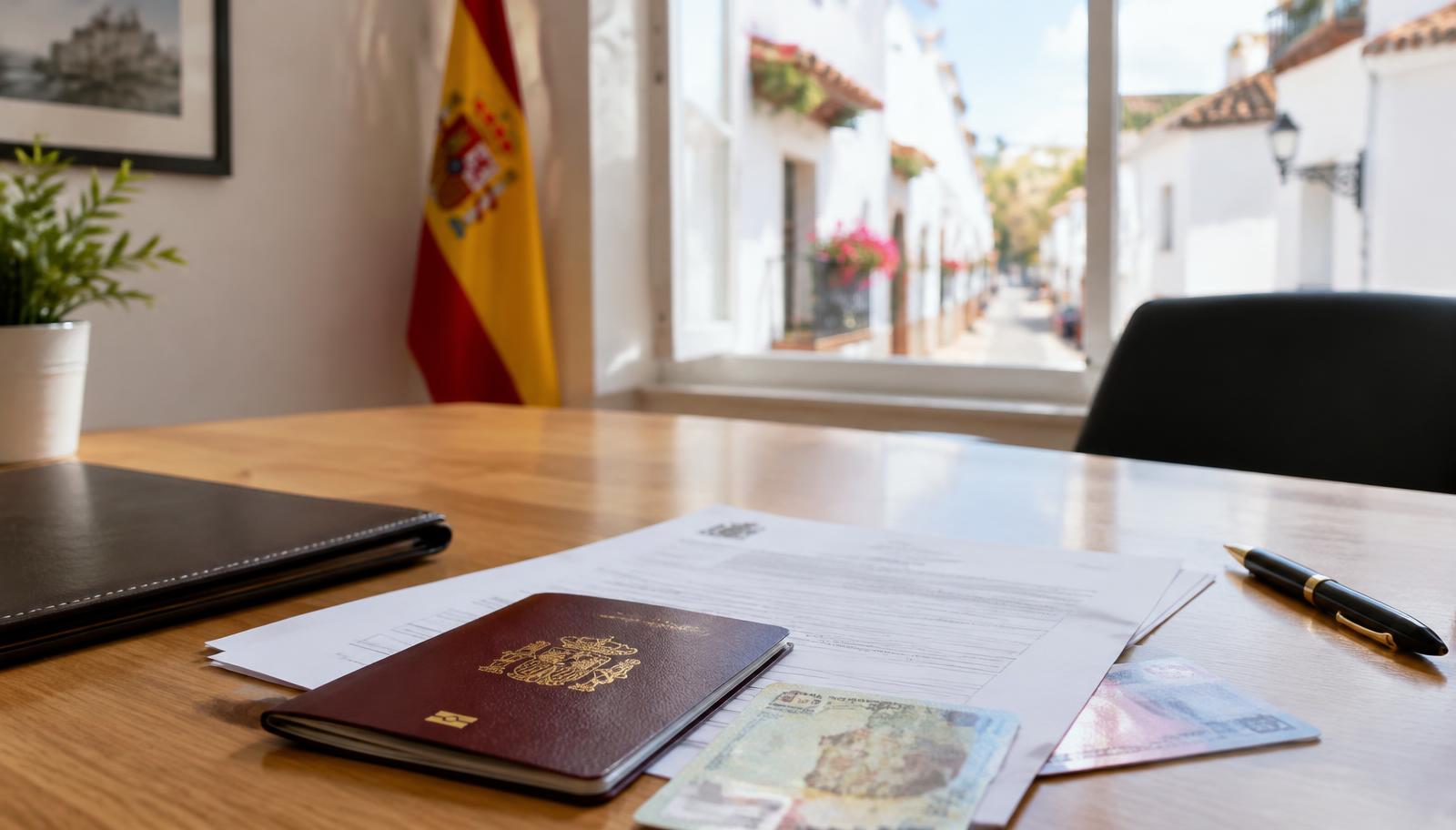


Buying a property abroad takes careful preparation. Here we explain the essentials of a new-build home handover in Spain for buyers living in another country.
What does the handover involve?
The handover is your opportunity to check that the property meets the agreed specifications and is safe to use. It should involve more than collecting the keys and taking a quick walk around. Allow plenty of time and bring your purchase documents.
For an overview of the whole process, read our guide to buying a new-build home in Spain step by step.
Technical inspection checklist
Check doors and windows, their seals, shutters, electrical installations, sockets, water supply, drains, taps and fittings, air conditioning, tiles, grout and ventilation. Compare the fixtures and equipment with the contract and its annexes. Also inspect the terrace, parking space and storage room if they are included in the purchase.
Recording defects and taking photographs
Describe each defect as precisely as possible, note which room it is in and take photographs. Agree in writing how defects will be reported and rectified. If you lack technical experience, consider appointing an inspector to represent your interests.
Documents to request at handover
Ask for equipment manuals, warranty information, documentation permitting occupation, the property administrator’s details, community rules and confirmation of utility contracts. A lawyer should assess which documents are required for the particular development and region.
Our free buyer guide can also help you prepare for your purchase.
After the handover
Arrange insurance, set up payments, check that utilities are working and keep all correspondence about repairs. Do not treat verbal assurances that defects will be fixed as a substitute for written confirmation.
Frequently asked questions
Is it worth bringing an inspector?
Yes, especially if you are unfamiliar with technical standards.
Should I report minor defects?
Yes, document every defect you notice.
Which documents should I request at handover?
Ask for equipment manuals, warranty information, documentation permitting occupation, the property administrator’s details, community rules and confirmation of utility contracts. A lawyer should assess which documents are required for the particular development and region.
Sources and references
For information only: not legal or tax advice, or a guarantee of returns. Confirm the terms of your transaction with an independent professional.